
Why work with a Mortgage Agent Level 2?
Because the right mortgage is not always sitting at one bank. A Level 2 agent can work across the traditional, alternative and private mortgage channels, giving qualified borrowers a broader path when the file is straightforward, unusual or somewhere in between.
Important title distinction: Ontario’s regulated licence class is Mortgage Agent Level 2. A mortgage broker is a separate licence class and may also supervise mortgage agents. “Level 2” describes an agent’s lender authorization and private-mortgage education, not a blanket guarantee that one professional is better than another.
More lender categories can mean more ways to structure the solution.
FSRA says Level 2 mortgage agents may arrange mortgages with financial institutions, NHA-approved lenders and all other mortgage lenders, including mortgage investment corporations and private lenders. The benefit to the borrower is flexibility: the conversation does not have to end simply because one bank’s policy does not fit the file.
Traditional lenders remain available, but Level 2 authorization also extends to alternative and private mortgage lenders where appropriate.
Self-employment, credit challenges, unusual income, higher debt ratios, investment properties or equity-driven scenarios may require a different lender category.
Ontario Level 2 licensing requires specific private-mortgage education in addition to prior Level 1 licensing experience.
A mortgage professional can review features, risks, fees, prepayment terms, amortization and exit strategy instead of reducing the decision to one advertised rate.
Purchase, renewal, refinance, debt consolidation, renovation, rental-property financing and equity access can be viewed as connected decisions.
Mortgage agents help gather documents, match lender criteria, explain terms, submit the application, negotiate and coordinate through closing.
Level 1, Level 2 and Mortgage Broker are not the same licence.
Here is the practical distinction for consumers under Ontario’s current FSRA framework.
| Licence class | Traditional / NHA-approved lenders | Alternative & private lenders | Supervise agents / principal broker role |
|---|---|---|---|
| Mortgage Agent Level 1 | Yes | No | No |
| Mortgage Agent Level 2 | Yes | Yes | No |
| Mortgage Broker | Yes | Yes | Yes |
Why this matters: a Level 2 agent can work with the same broad categories of mortgage lenders as a mortgage broker, including private lenders. The broker licence adds supervisory and principal-broker capabilities. Your choice of professional should still consider experience, communication, judgement and suitability, not title alone.
What a mortgage professional should do for you
A strong mortgage process is much more than “finding a rate.”
- •Understand your goals, income, assets, liabilities and timing.
- •Identify mortgage products that fit lender criteria and your circumstances.
- •Explain important features, costs and material risks.
- •Review rate, term, amortization, prepayment and renewal implications.
- •Gather and organize the documentation required by the lender.
- •Negotiate and communicate with the lender and coordinate with your lawyer through closing.
Start with your financial picture and objectives.
Look across suitable lender and product categories.
Understand cost, flexibility, risks and trade-offs before signing.
Build the mortgage around the transaction, not the other way around.
Stay connected from application to funding, renewal and future planning.
Level 2 provides access to another lane, but private lending needs extra care.
Private mortgages can be useful as a bridge, not a blind shortcut.
FSRA notes that alternative/private mortgages are often short-term solutions and may carry higher interest rates, lender fees, commissions, shorter terms or interest-only payments. A sound Level 2 conversation should therefore include both the immediate financing need and a realistic strategy for returning to lower-cost financing.
There should be a clear reason a lower-cost traditional option does not fit.
Understand interest, lender fees, brokerage fees if applicable, legal costs and renewal costs.
Know what must improve, and by when, to move to more affordable financing.
Especially useful when the file does not fit neatly into one box.
Compare staying, switching or restructuring rather than automatically signing the renewal offer.
Review equity, payment goals, amortization and the total cost of changing the mortgage.
Compare monthly cash-flow relief with the longer-term cost of moving consumer debt into secured borrowing.
Different lenders may evaluate business income and supporting documents differently.
Rental-income calculations, property counts, debt-service rules and documentation vary by lender.
A broader lender channel can help identify options while still weighing cost and an eventual return to prime lending.
Short-term financing can sometimes solve timing problems, but only when the repayment plan is clear.
Some properties or transaction structures fall outside the appetite of a particular bank or insurer.
“The question is not simply, ‘What is the lowest rate?’ It is, ‘Which mortgage structure best fits the borrower, the property and the plan?’”
Classic resources, kept here as educational pieces.
These materials helped communicate a message that is still relevant: mortgage decisions deserve professional attention. Because several pieces are archival, any historical rates, products, lender counts, financing ratios or old job titles shown inside them should not be treated as current offers or current regulatory wording.
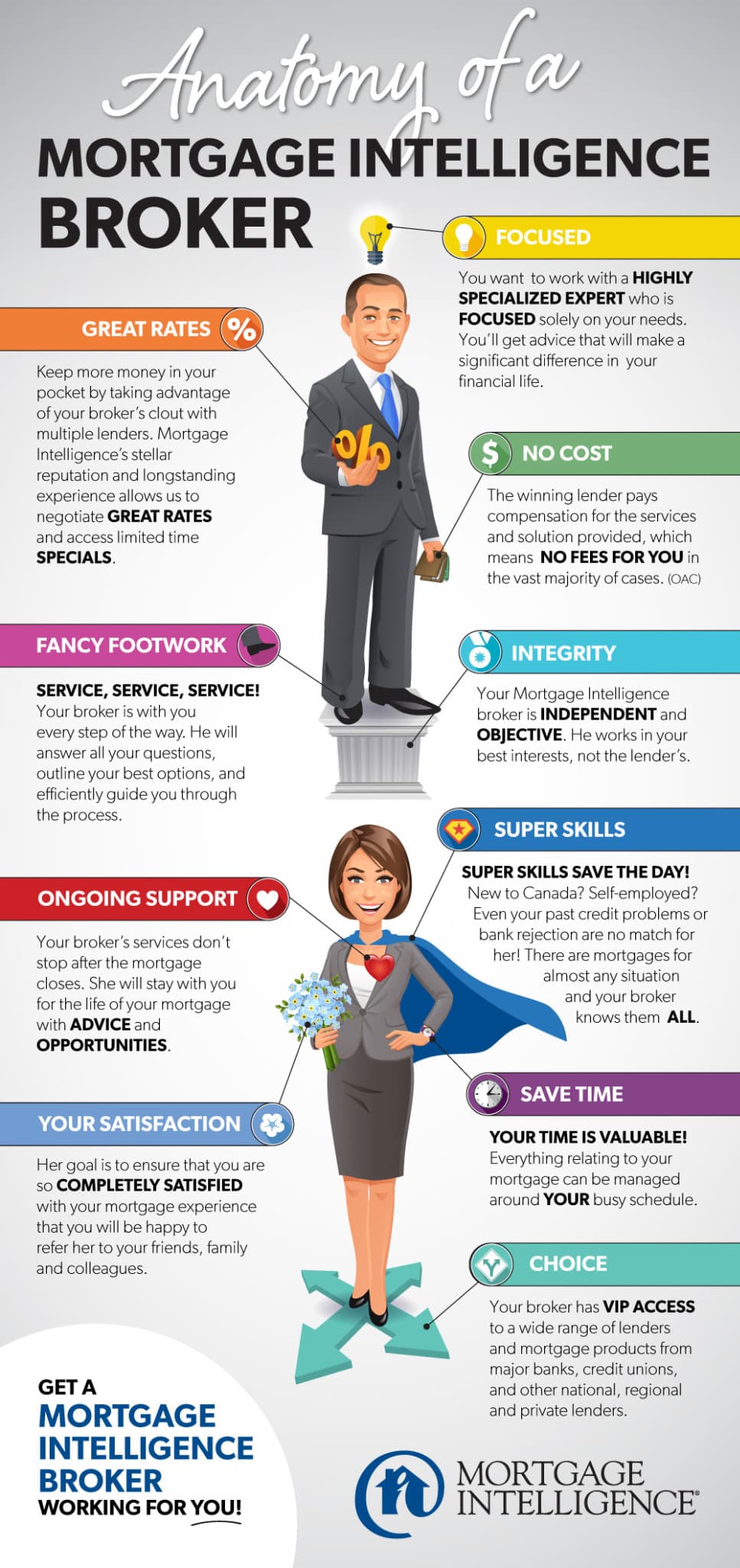
Classic Mortgage Intelligence visual emphasizing focus, service, lender choice, integrity, ongoing support and time savings.
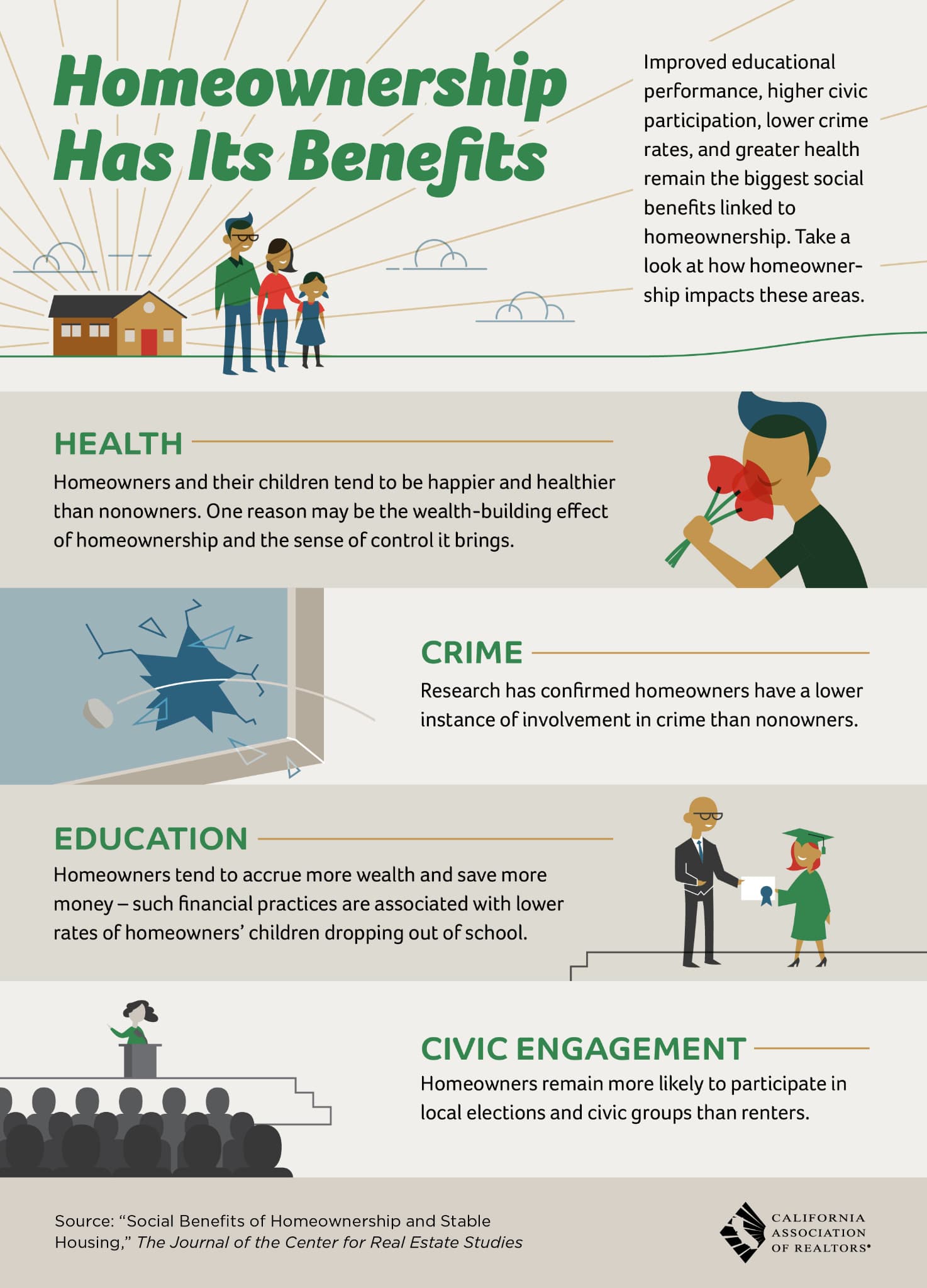
Historical educational infographic on social benefits associated with homeownership. Presented as an archival marketing resource; it is not used here as current Canadian research evidence.

The original Mortgage Intelligence piece makes the simple point that a major home-financing decision deserves specialized professional attention.

This legacy piece connected mortgage advice with purchases, self-employment, investments, refinancing, renewals and debt consolidation. Product-specific claims in the original graphic may be outdated.

Your Mortgage Intelligence guide organizes the homebuying journey around pre-qualification, mortgage options, down payment, repayment, closing costs and the application process — a useful foundation for today’s Mortgage Villa educational pages.
Archive notice: Several attached Mortgage Intelligence materials date from earlier regulatory and product environments. This page preserves the pieces visually, but the surrounding copy has been updated to current Ontario terminology and consumer-protection expectations.
Bring me the mortgage problem, not just the rate request.
Whether you are buying, renewing, refinancing, consolidating debt or working through a more complex mortgage situation, we can first determine which lender channel and structure fits your circumstances.
Mortgage Intelligence Inc. — Ontario Mortgage Brokerage Licence #10428. Mortgage availability, lender policies, rates, terms, fees and qualification criteria are subject to change and lender approval. Brokerage or lender fees may apply in some transactions and, where applicable, are disclosed as required. Private and alternative mortgages may involve higher interest rates, fees, shorter terms and additional risks. This page is general information only and is not a commitment to lend, legal advice, tax advice or a guarantee of approval.
Regulatory research: Financial Services Regulatory Authority of Ontario (FSRA) — FSRA — Mortgage Agent Level 2 · FSRA — Working with a Mortgage Professional · FSRA — Private Mortgages · FSRA — Advertising Requirements.
Let's find out what you actually qualify for.
No cost, no obligation, and a real answer within a day.